

How to Choose the Right Gloves for Winter Photography
I've lost count of how many sunrises I've stood through with numb fingers, cursing myself for not sorting my gloves out properly. It's a strange kind of pain — not dramatic, just this dull ache that creeps in around the 20-minute mark and doesn't let go until you're back in the car with the heater on. And the annoying part is, it's completely avoidable.
Winter is genuinely one of the best times to shoot. The light's softer, the crowds disappear, and if you're chasing frost, mist or snow, you get textures you just can't fake the rest of the year. But none of that matters if your hands have given up on you by 7am.
The real problem isn't staying warm. Any glove can do that if it's thick enough. The problem is staying warm and still being able to actually use your camera — change a setting, swap a card, nudge a dial — without stripping your gloves off every five minutes.
So here's what I've learned actually matters when you're picking gloves for this kind of shooting, and why we built the XT-850 the way we did.

1. Bulk is the enemy, not the cold
Most winter gloves aren't made with photography in mind. They're made for skiing, chopping wood, walking the dog — general "keep the hands warm" jobs where dexterity doesn't matter much. Put those on and try to feel for the AF-ON button on the back of your camera. You can't. You end up pressing three buttons at once and swearing under your breath.
A proper photography glove has to thread a needle: enough insulation that you're not miserable, but thin and flexible enough through the fingers that you still know what you're touching. That's the whole design brief, really. Everything else is secondary to getting that balance right.

2. Touchscreen fingertips are a marketing gimmick, not a solution
This one genuinely annoys me. Half the "photography gloves" on the market lean on touchscreen fingertips like that solves the problem. It doesn't. Touchscreen fabric is great if you're texting someone. It's useless for the actual controls on a camera — you can't dial in a precise shutter speed or nail manual focus through a bit of conductive thread. You need to actually feel the dial.
That's why the XT-850 uses flip-back thumb, index and middle fingers instead, held shut with proper magnets rather than a flimsy poppers-and-velcro setup that comes loose after a week. You flip the tip back, dial in your exposure, flip it shut again. Takes about a second and your hand's never fully exposed to the wind.
It sounds like a small thing until you're standing beside a half-frozen lake at first light and you realise you haven't had to pull your gloves off once all morning.

3. Wind will get you before snow does
People assume winter photography gloves are about snow. Honestly, in Australia, snow is the exception. What actually wrecks your hands is wind — standing on an exposed ridge or coastal lookout with a cold breeze cutting straight through fabric that looked warm enough in the shop. Add a bit of mist or drizzle, which is most winter mornings if you're anywhere near the coast or a waterfall, and a glove that isn't properly sealed just gets cold and stays cold.
The XT-850 runs a twin-layer build — a weather-resistant outer shell over an internal HIPORA® waterproof membrane. It's not about being submersible, it's about not letting wind strip the warm air off your skin and not soaking through the second it starts drizzling. That's the difference between a two-hour shoot and a twenty-minute one.

4. Don't underrate grip
This is the one people forget until they nearly drop a $3,000 lens on wet rock. A lot of gloves have smooth palms — fine for warmth, terrible for actually holding gear. Add wet rocks, mud, or a bit of frost underfoot and a slick palm turns "carrying my camera one-handed" into a genuine risk.
We put anti-slip silicone panels across the palm and fingers of the XT-850 for exactly this reason. It's not flashy, but it's the kind of feature you only really appreciate the day you're scrambling down a wet embankment trying not to think about how much your gear costs.

5. Somewhere to put your lens cloth
Small thing, but a genuinely useful one. Anyone who's shot in the cold knows your lens cloth, spare card or hand warmer always ends up buried in the wrong pocket at the worst moment. We added a zip pocket on the back of each XT-850 glove specifically for that — cloth, spare SD card, a reusable hand warmer, whatever you actually reach for mid-shoot.
It wasn't a headline feature when we designed it. It's turned into one of the things customers mention most.

6. Comfort matters more the longer you're out there
A quick five-minute shot doesn't test a glove. Waiting an hour and a half for the light to do something interesting does. That's when a stiff cuff, a seam in the wrong place, or insulation that's gone lumpy after a wash starts to actually bother you.
We line the XT-850 with 3M™ Thinsulate™ and a soft tricot fleece, which keeps the warmth without turning your hand into a brick. Adjustable wrist closures mean you're not fighting a gap letting cold air in either. None of this is exciting to write about, but it's the difference between a glove you tolerate and one you forget you're wearing.

What this actually looks like in the field
Say you're up before sunrise, tripod already set, temperature hovering just above freezing, a bit of wind coming across the valley. The light starts shifting fast — you don't have time to be fumbling. You flip back your index finger, adjust exposure, take the shot, flip it shut again. No gloves coming off, no fumbling, no lost ten seconds while the light changes on you.
Later you're down at a waterfall, spray in the air, everything a bit damp including your camera. The waterproofing keeps your hands dry, the grip keeps your camera secure on slippery rock. That's not a hypothetical — that's a fairly normal winter morning for a lot of our customers, and honestly for me too.

Why we built the XT-850 this way
None of these features exist in isolation — they were built to solve specific problems photographers run into, not to pad out a spec sheet. The flip-back fingers, the waterproofing, the grip, the pocket, the insulation — every piece earns its place because it solves something that actually happens to you on a cold morning with a camera in your hands.
That's really the whole philosophy behind OTEX. We're not trying to make the warmest glove on the market. We're trying to make the one that lets you keep shooting when everyone else has already packed up and gone back to the car.

Final thought
Don't just buy the thickest gloves you can find. Buy gloves that let you keep working when it's cold, not just survive standing around. Warm hands mean you're actually concentrating on the shot instead of how much you want to go home.
If you're regularly out chasing sunrises, waterfalls, frosty mornings or coastal winter light, it's worth getting gear that's actually built for what you're doing — not repurposed from someone else's sport. That's the whole reason the XT-850 exists.
Featured Products

XT-850 Premium Photography Gloves
- $119.95
- $119.95
- Unit price
- per
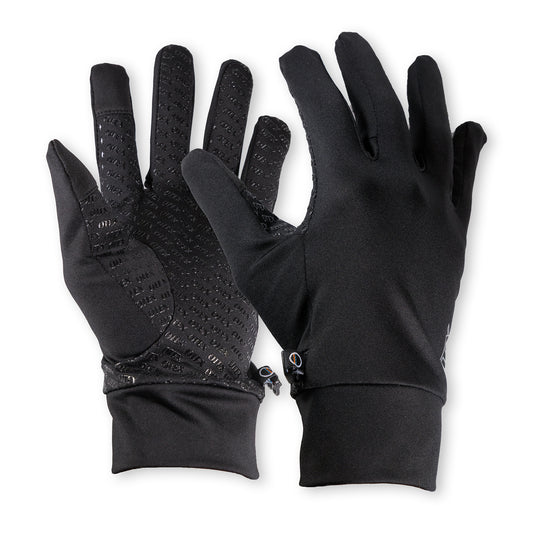
XT-Active PRO Inner Gloves
- $54.95
$54.95- $54.95
- Unit price
- per