

Why Winter Is the Best Season for Landscape Photography (And Most Photographers Miss It)
When most people think about landscape photography, they picture warm mornings, clear skies and comfortable conditions.
Winter rarely makes the list.
For many photographers, the colder months signal the end of the photography season. Cameras stay in their bags, sunrise alarms get switched off and outdoor adventures become less frequent.
But experienced landscape photographers know a secret: winter often delivers some of the most rewarding photography conditions of the entire year.
From dramatic weather and mist-filled valleys to softer light and quieter locations, winter offers opportunities that simply don't exist in summer.
If you're willing to embrace the cold, winter can transform the way you shoot.
Why Winter Creates Better Photography Conditions
The biggest misconception about winter photography is that the weather works against you.
In reality, the weather often becomes your greatest creative tool.
The atmosphere changes. The light changes. The landscapes change.
Instead of fighting the conditions, successful photographers learn to work with them.
The result is often stronger, more unique images that stand out from the thousands of photographs captured during warmer months.
1. Winter Light Is Softer and More Dramatic
Light is everything in photography.
One of the biggest advantages of winter landscape photography is the quality of light available throughout the day.
During winter, the sun remains lower in the sky for longer periods. This creates softer shadows, reduced contrast and a more flattering light across landscapes.

Golden hour also feels extended, giving photographers more time to work with warm tones and directional light.
Winter light can add depth, texture and atmosphere to a scene that may appear flat and uninspiring during summer.
For photographers who chase sunrises and sunsets, winter often provides some of the most beautiful lighting conditions of the year.
2. Fog and Mist Create Incredible Atmosphere
Few weather conditions add more mood to a photograph than fog.
Winter mornings frequently produce mist and low cloud formations that can completely transform familiar landscapes.

Forests become mysterious.
Mountain ranges appear layered.
Valleys fill with rolling clouds.
Coastal locations take on a dramatic, cinematic feel.
These conditions allow photographers to simplify compositions, isolate subjects and create a sense of depth that is difficult to achieve on clear days.
Many of the most memorable landscape photographs are made during conditions that most people would avoid.
3. Storms Create Powerful Images
Blue skies are pleasant.
Storms are memorable.
Winter brings more dynamic weather systems, creating opportunities for dramatic skies, rain showers, snowfall and rapidly changing conditions.
These weather events often produce the most compelling photographs because they add emotion and energy to a scene.

Dark clouds gathering over a mountain range.
Sunlight breaking through a storm front.
Rain moving across a coastline.
Fresh snow covering an alpine landscape.
The photographers willing to stay a little longer often capture the moments everyone else misses.
4. Popular Locations Become Less Crowded
Anyone who has visited a famous photography location during peak season understands the challenge of working around crowds.
Winter solves much of this problem.
Many tourists stay home when temperatures drop, leaving photographers with greater freedom to explore and compose images without distractions.

Popular lookouts, waterfalls, coastal locations and hiking trails often become significantly quieter.
Not only does this improve the experience, but it also allows photographers to slow down and focus on creativity rather than competing for space.
5. Winter Reveals Details You Don't See in Summer
Every season changes the landscape.
Winter reveals details that remain hidden for the rest of the year.
Frost-covered grass catches the first light of sunrise.
Ice formations create unique foreground elements.
Snow transforms ordinary scenes into something entirely different.
Bare trees expose shapes, patterns and textures that disappear beneath summer foliage.

Even simple subjects can take on a completely new character during winter.
For photographers looking to create unique images, these seasonal changes offer endless creative possibilities.
6. The Best Conditions Often Happen When Others Stay Home
This is perhaps the greatest advantage of winter photography.
Many photographers wait for perfect weather.
The most rewarding images often happen when conditions are far from perfect.
Cold mornings, approaching storms, heavy fog and light rain frequently create the most dramatic scenes.

Winter rewards photographers who are willing to embrace uncertainty.
The conditions that appear challenging at first often become the reason a photograph succeeds.
The Biggest Challenge of Winter Photography
While winter offers incredible opportunities, it also introduces one significant challenge.
Comfort.

Cold hands, wet clothing and freezing temperatures can quickly cut a photography session short.
The problem is rarely finding great conditions.
The problem is staying outside long enough to take advantage of them.
Anyone who has tried adjusting camera settings with numb fingers understands how frustrating cold weather can become.
When your hands are cold, every task becomes harder.
Changing settings.
Operating dials.
Swapping filters.
Adjusting a tripod.
Even pressing the shutter can become uncomfortable.
That's why preparation becomes critical during winter.
Essential Winter Photography Gear
Successful winter photography starts before you leave home.
A few simple preparations can make the difference between ending a shoot early and staying out for the best conditions.
Consider packing:
-
Waterproof outer layers
-
Insulating base layers
-
Warm hat or beanie
-
Waterproof footwear
-
Spare camera batteries
-
Lens cloths for moisture and condensation
-
Hand warmers
-
Head torch for early starts
-
Thermos with a hot drink
-
Photography gloves that allow full camera control
The goal isn't simply staying warm.
The goal is staying comfortable enough to focus entirely on photography.
Winter Rewards Prepared Photographers
Winter isn't the off-season for photography.
For many landscape photographers, it's the most exciting season of the year.
The light is better.
The weather is more dramatic.
The landscapes are more atmospheric.
The crowds are smaller.
Most importantly, winter offers opportunities to create images that simply aren't possible during other times of the year.

While many photographers pack their cameras away and wait for spring, those willing to embrace the cold often come home with the most memorable photographs.
The conditions have changed.
The question is: are you ready for them?
Conquer Every Scene.
Featured Products

XT-850 Premium Photography Gloves
- $119.95
- $119.95
- Unit price
- per
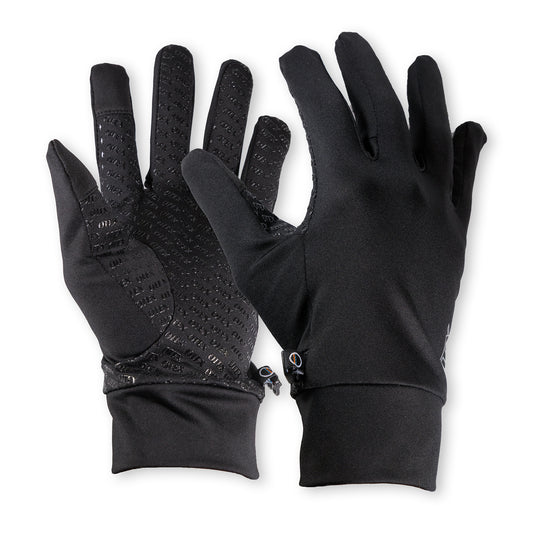
XT-Active PRO Inner Gloves
- $54.95
$54.95- $54.95
- Unit price
- per