

Photographing Antarctica: The Ultimate Guide to Your First Expedition
Camera gear, photography tips, clothing, wildlife and first-hand advice from a professional photographer who's visited Antarctica six times.
Antarctica isn't somewhere you can simply return to next weekend if you miss the shot.
For many photographers, it's a once-in-a-lifetime experience. Months of planning, a serious financial commitment and a camera bag packed with just about everything you think you might need.
Then there's the reality of photographing one of the most remote places on Earth.
Unpredictable weather. Moving boats. Salt spray. Brilliant white snow. Wildlife that doesn't wait for you to change lenses. And cold fingers trying to operate tiny camera controls.
The good news? A little preparation goes a long way.
To help photographers prepare for the Antarctic summer, we've researched the practical side of expedition photography and reached out to someone who knows the destination exceptionally well.

Expert Insights: Meet Matt Kemp from Outlander Expeditions
We reached out to Matt Kemp, Managing Director of Outlander Expeditions, a professional photographer who leads photography tours to Antarctica.
With six Antarctic expeditions behind him, Matt has experienced the challenges, extraordinary wildlife encounters and unpredictable conditions that make this destination unlike anywhere else.
We asked him to share his experience and practical advice for photographers preparing for their first trip.
And his first impression of Antarctica wasn't quite what you might expect.
"What surprised me most about my first trip was how peaceful it is. It is pure untouched wilderness and is like visiting another planet."
Matt describes the dramatic landscapes, thriving wildlife and remarkable absence of human infrastructure as something that took him completely by surprise.
Despite six visits, his advice for first-time travellers remains refreshingly simple:
"Have no expectations and enjoy the sensory overload and breathtaking beauty that this destination offers."
It's a useful reminder that preparation matters, but so does being present.
Here's everything worth knowing before heading south.

1. Choosing the Right Antarctic Photography Expedition
One of the most important photography decisions you'll make happens before you even leave home.
Not every Antarctic cruise offers the same opportunities.
Larger cruise ships may sail through Antarctic waters without allowing passengers ashore. Smaller expedition vessels generally offer more opportunities for Zodiac excursions and landings, subject to weather, sea ice and environmental restrictions.
Under Antarctic visitor guidelines, vessels carrying more than 500 passengers cannot conduct tourist landings, while no more than 100 passengers may be ashore from a vessel at one time unless site-specific restrictions require fewer.
For photographers, this distinction is important.
Before booking, consider the following:
-
Landing opportunities: Does the expedition include shore landings and Zodiac excursions?
-
Photography guides: Are experienced photographers available to provide advice?
-
Time ashore: How much time is typically allocated for photography?
-
Itinerary flexibility: Can plans adapt to weather, wildlife and changing conditions?
-
Group size: Will you have room and time to photograph without feeling rushed?
Dedicated photography expeditions can be particularly valuable because they're designed around the interests of photographers rather than simply visiting destinations.
Matt's Advice: Don't Arrive with a Shot List You Must Complete
While researching an expedition is important, Matt encourages photographers not to become too attached to particular photographs.
Antarctica is unpredictable. Weather changes, wildlife moves and landing plans can be altered at short notice.
Instead of expecting specific encounters, be ready to photograph whatever the continent presents.
OTEX tip: Choose an expedition that prioritises meaningful time in the field, but don't judge the success of your trip by how many locations you visit.

2. When Is the Best Time to Photograph Antarctica?
The Antarctic tourism season generally runs from November through March.
While every month offers exceptional photography opportunities, the landscape, wildlife and lighting conditions change throughout the summer.
November – Early December: Snow, Ice and Dramatic Landscapes
Early-season trips can offer extensive snow cover, impressive sea ice and beautiful low-angle light.
Penguins are returning to breeding colonies, with courtship, nest building and other seasonal behaviours providing interesting wildlife opportunities.
Late December – January: Penguin Chicks and Long Days
Around midsummer, daylight hours are exceptionally long.
Penguin chicks begin appearing at many colonies, making this a popular period for wildlife photography.
The extended daylight also provides more opportunities to photograph landscapes throughout the day.
February – March: Whales and Changing Light
Later in the season, whale encounters can become particularly rewarding as feeding activity increases in some areas.
Penguin chicks are growing, snow cover may be reduced in certain locations and the lowering sun can create beautiful light across the landscape.
Remember that wildlife timing varies by species, region and year.
No expedition can guarantee a particular encounter.
Before booking: Consider what interests you most — landscapes, penguins, whales or a combination — and discuss the timing with your expedition operator.

3. What Camera Gear Should You Take to Antarctica?
It's tempting to pack every lens you own.
After all, you might never have another opportunity to photograph Antarctica.
But according to Matt, carrying more equipment isn't necessarily the answer.
Matt's Camera Kit: Six Trips Later
"On my first trip I felt the need to pack every lens (just in case). These days my camera equipment is simplified to 2 camera bodies, an ultra-wide angle zoom lens (15-35mm) and a telephoto zoom (100-400mm or 200-600mm) lens."
It's a practical approach that provides considerable versatility without constantly changing lenses.
Wide-angle zoom: 15–35mm
Ideal for enormous icebergs, glaciers, mountain ranges and environmental wildlife photographs.
Telephoto zoom: 100–400mm or 200–600mm
Useful for distant wildlife, seabirds and compressed landscape compositions.
Two camera bodies
Having two bodies allows you to keep different lenses ready, minimise lens changes in exposed conditions and have a backup if something fails.

Don't Assume You Always Need a Massive Telephoto Lens
One of Matt's more interesting observations concerns the wildlife.
Many Antarctic animals can appear remarkably unbothered by people, creating opportunities for environmental portraits using wider focal lengths.
However, that doesn't mean photographers should approach them. Always maintain required wildlife distances and follow your expedition guides.
Longer lenses remain particularly valuable for distant subjects and photographing natural behaviour without disturbance.
What About Filters?
Matt keeps his filter kit minimal.
He occasionally uses a magnetic polarising filter to manage glare and improve colour saturation. For video, he uses a variable neutral-density arrangement to maintain his preferred shutter speed and aperture.
For most photographers, a good polariser may be more useful than packing an extensive collection of filters.
Don't Forget Your Phone
Matt also photographs with his smartphone in RAW format.
Its biggest advantage isn't necessarily image quality — it's convenience.
When something unexpected happens, having a camera immediately accessible can make all the difference.
Modern smartphones can produce excellent photographs in bright conditions, making them useful companions to larger camera systems.

4. Packing Smart: Weight, Dry Bags and Camera Protection
Antarctic travel often involves luggage restrictions, particularly on fly-cruise expeditions.
Every kilogram matters.
Matt shared a clever packing approach that serves two purposes.
Instead of packing clothing in a heavy suitcase, he recommends considering a lightweight dry bag.
Once aboard the expedition vessel, unpack your clothing into the cabin storage and repurpose the dry bag to protect your camera equipment during excursions.
This reduces unnecessary luggage weight and provides useful protection against snow, ice and saltwater spray.
The weight saved might even allow room for another lens or lightweight tripod.
Just ensure the dry bag meets your operator's luggage requirements and is appropriate for protecting your equipment.
Protecting Your Camera During Zodiac Excursions
Zodiacs are inflatable expedition boats used for shore transfers and wildlife excursions.
They can provide extraordinary photographic opportunities, but they're also exposed to the elements.
Salt spray, snow, rain and splashing water can all damage camera equipment.
A few precautions make a significant difference:
-
Use a waterproof dry bag or suitable protective camera bag.
-
Secure cameras with reliable straps.
-
Avoid changing lenses while travelling in an exposed Zodiac.
-
Keep lens cloths accessible.
-
Follow your expedition guide's instructions when handling equipment.
Even weather-sealed cameras aren't necessarily waterproof.
And saltwater can cause serious damage to sensitive electronics.

5. The Camera Problem Most Photographers Overlook: Condensation
Cold weather isn't necessarily the biggest threat to your camera.
Moisture can be far more troublesome.
One of the challenges Matt regularly encounters is condensation when moving equipment from the cold Antarctic environment into a warm ship interior.
When cold equipment encounters warm, humid air, moisture can form on camera surfaces and potentially within lenses and other components.
Matt's Solution
Before returning inside, place your camera in a sealed bag while it's still cold.
Leave it sealed until the equipment has gradually warmed to the surrounding temperature.
This allows condensation to form on the outside of the bag rather than directly on the camera.
The Australian Antarctic Program recommends a similar approach for protecting photographic equipment from condensation.
Don't rush the process. Depending on the equipment and temperature difference, acclimatisation may take an hour or longer.
OTEX tip: Keep a suitable resealable bag in your camera kit specifically for transitioning between cold outdoor conditions and warm interiors.
It's a simple precaution that could prevent a serious equipment problem.

6. Camera Settings for Photographing Antarctica
Antarctica can present unusual exposure challenges.
Brilliant snow, reflective ice, dark wildlife and rapidly changing conditions can make automatic exposure less reliable.
But Matt's approach is refreshingly straightforward.
Keep Your Settings Simple
"Antarctica is not a place for frustration. Avoid over complicating your camera settings so you can enjoy and remain in the moment."
Rather than constantly adjusting multiple settings, Matt favours a practical setup that allows him to respond quickly.
His typical approach includes:
-
Shutter speed: Around 1/2000 second or faster for moving subjects and Zodiac photography.
-
Aperture: Often wide open, stopping down when additional depth of field is required.
-
ISO: Auto ISO to accommodate changing light.
-
Exposure compensation: Adjusted for bright snow, sunsets and silhouettes.
-
File format: RAW for greater flexibility when editing.
These settings are a useful starting point rather than a universal prescription. Slower shutter speeds may be appropriate for stationary landscapes or when available light is limited.

Why Does Snow Sometimes Look Grey?
Camera metering systems can underexpose predominantly white scenes, making snow appear grey.
Positive exposure compensation can help.
Start by experimenting around +1 EV in snow-dominated scenes, then check your histogram and highlight warnings to avoid losing detail.
For dark silhouettes or dramatic sunsets, negative exposure compensation may be useful.
Photograph in RAW
RAW files provide more flexibility when adjusting exposure, white balance and tonal detail during editing.
This is particularly useful in Antarctica, where scenes can contain enormous differences between bright ice and dark rock or wildlife.
Matt also recommends taking a laptop if luggage allowances permit.
Reviewing your photographs between excursions can help you identify what worked, correct mistakes and prepare for the next landing.

7. Photographing Wildlife: Penguins, Whales and Seabirds
Antarctica offers extraordinary wildlife photography opportunities.
Penguins, seals, whales and seabirds can all provide memorable encounters.
But successful wildlife photography requires more than simply pointing a long lens at an animal.
Be Ready Before the Action Happens
A penguin resting on the ice might provide plenty of time to compose a photograph.
A whale surfacing beside a Zodiac probably won't.
As a starting point, consider these shutter speeds:
|
Subject |
Suggested starting speed |
|
Stationary penguins |
1/500 sec |
|
Walking penguins |
1/1000 sec |
|
Flying seabirds |
1/1600–1/2500 sec |
|
Surfacing whales |
1/1000–1/2000 sec |
|
Photography from a moving Zodiac |
1/1000–1/2000 sec |
Actual settings will depend on available light, subject movement, focal length and camera stabilisation.
Continuous autofocus and burst shooting can be helpful when photographing unpredictable movement.
Look Beyond the Close-Up
One of Matt's observations is that Antarctica's wildlife can provide opportunities for wider environmental photographs.
Rather than always filling the frame, consider including the landscape.
A single penguin surrounded by enormous mountains can communicate the scale and isolation of Antarctica more effectively than another tightly cropped portrait.
Look for behaviour, interactions, interesting backgrounds and moments that tell a story.

Respect Wildlife
Antarctic wildlife must never be disturbed for a photograph.
General visitor guidance calls for maintaining at least five metres from wildlife on land in most circumstances, with greater distances required where appropriate and additional species-specific or site-specific rules.
Never feed, touch, chase or deliberately approach animals to improve a composition.
Follow your expedition guides and always give wildlife the right of way.

8. What to Wear for Antarctica Photography
One of the biggest misconceptions about Antarctica is that every day involves extreme temperatures and blizzards.
While severe conditions are certainly possible, summer expeditions around the Antarctic Peninsula can be surprisingly manageable with appropriate clothing.
Matt discovered this on his first trip.
He had expected relentless freezing conditions but found that summer expedition weather could sometimes feel comparable to a winter trip to the ski fields.
Of course, Antarctica remains a serious environment. Strong winds, wet conditions and rapidly changing weather can make even relatively mild temperatures uncomfortable.
The Three-Layer Clothing System
Matt and his team recommend a practical three-layer approach.
Base layer — Moisture management
A thermal base layer helps manage moisture and provides insulation close to the body.
Merino wool and suitable synthetic fabrics are common choices.
Mid layer — Insulation
A fleece or insulated jacket helps retain warmth.
The ability to add or remove this layer is particularly useful as conditions and activity levels change.
Outer layer — Weather protection
A waterproof, windproof outer shell protects against spray, snow, rain and cold wind.
Your expedition operator may provide a suitable outer jacket or have specific clothing requirements.
Comfort Is About More Than Warmth
Matt emphasises the importance of balancing warmth, comfort and practicality.
Being able to remove a hat, unzip a jacket or adjust your layers helps regulate your body temperature.
Overheating and sweating can leave you uncomfortable when activity slows or the wind picks up.
The aim isn't to wear the thickest clothing possible.
It's to build a system that allows you to remain comfortable while moving between the ship, Zodiacs and shore landings.

9. Photography Gloves: Warm Hands, Full Camera Control
Anyone who's photographed in cold conditions knows the problem.
Your hands get cold, so you put on thick gloves.
Then you need to change your camera settings.
Suddenly, those gloves become an obstacle.
You remove them to operate the camera, expose your fingers to the cold and repeat the process throughout the shoot.
In Antarctica, that can become frustrating very quickly.
Matt's Experience with Photography Gloves
Before his first expedition, Matt spent considerable time searching for suitable gloves.
He eventually settled on a pair offering some insulation and convertible fingertips.
But they weren't ideal.
He still found himself removing the gloves to manage his equipment and regularly putting his hands in his pockets to warm them up.
For Matt, the two most important features in photography gloves are warmth and dexterity.
If your hands become uncomfortable, your ability to concentrate and continue photographing can suffer.
Why Matt Recommends OTEX
Matt was introduced to OTEX several years ago and has since used the XT-850 Photography Gloves during his Antarctic expeditions.
He now recommends them to guests travelling with Outlander Expeditions.
"I was introduced to OTEX gloves a few years ago and they have been amazing. The XT-850 model is perfect for Antarctica."
The XT-850 features three flip-back fingertips — the thumb, index finger and middle finger — allowing photographers to operate camera controls without removing the entire glove.
When the adjustments are finished, the fingertips can be closed again to help retain warmth.
The gloves also feature 3M Thinsulate insulation, a HIPORA waterproof liner, a weather-resistant outer shell and an anti-slip grip palm.
For Matt, the biggest advantage is being able to operate his camera without constantly exposing his hands.
He also points out that the synthetic construction makes the gloves suitable for guests who prefer non-animal products.

Why Ordinary Ski Gloves Can Be a Problem
Matt has watched guests struggle to operate their cameras while wearing conventional ski gloves.
Some remove their gloves completely to take photographs, leaving their hands cold and numb and increasing the risk of dropping or losing a glove.
Photography-specific gloves help address this problem by providing access to camera controls while maintaining more protection.
Choosing the Right Gloves for Your Expedition
The OTEX XT-850 Photography Gloves is designed for cold-weather photography and is rated effective to approximately -10°C under suitable conditions.
For photographers expecting particularly cold conditions, long stationary sessions or extended exposure, the OTEX MT-1000 Photography Mitts offer a warmer option, rated effective to approximately -25°C under suitable conditions.
Lightweight XT-Active Pro inner gloves can also be incorporated into a layering system.
Individual warmth requirements vary, and wind, moisture and activity level all influence comfort. Always follow your expedition operator's recommendations and pack appropriate backup handwear.
OTEX tip: Before leaving home, practise operating your camera while wearing your gloves. Test the dials, shutter button, touchscreen, battery compartment and lens controls.
If something is difficult to operate at home, it won't become easier on a cold Zodiac.

10. Batteries, Memory Cards and Backing Up Your Photographs
Cold conditions can temporarily reduce battery performance.
Even modern lithium-ion batteries may provide less usable shooting time when exposed to low temperatures.
Bring several fully charged spare batteries and store them in a protected inner pocket where they remain warmer.
Rotate batteries when necessary and follow the manufacturer's recommendations for safe charging temperatures.
A battery that appears depleted in the cold may regain some usable performance after warming.
Don't Risk Losing Your Photographs
Antarctica isn't a destination where you can easily replace equipment or recover lost images.
Bring more memory cards than you think you'll need.
Back up photographs regularly, ideally to two separate storage devices.
If you have a laptop, use time aboard the ship to review your photographs, organise files and prepare for upcoming excursions.
Avoid keeping your only copies of important photographs on a single memory card or hard drive.
11. The Drake Passage and Seasickness
For many travellers, the journey to Antarctica involves crossing the Drake Passage between South America and the Antarctic Peninsula.
The crossing has a reputation for rough seas, and conditions can vary considerably.
It's also one of the things that stops some people from booking an Antarctic expedition.
Matt believes concerns about seasickness deserve more attention in travel planning.
He points out that there are numerous remedies, treatments and techniques worth investigating rather than automatically ruling out the trip.
Preparing for the Crossing
If you're concerned about seasickness, speak with a doctor or pharmacist before travelling.
Depending on your circumstances, options may include motion-sickness medication, patches or other strategies.
Some medications work best when taken before symptoms begin, while others can cause drowsiness or have contraindications.
Your expedition operator can also provide advice about what to expect.
Fly-cruise expeditions are another option worth investigating. These generally involve flying across the Drake Passage rather than travelling both ways by ship, although flights remain weather-dependent.
OTEX tip: Don't let uncertainty about the crossing stop you from researching Antarctica. Understand your options and seek appropriate medical advice before deciding.

12. The Small Things Photographers Wish They'd Packed
Sometimes the most useful equipment isn't another expensive lens.
It's something small that solves an unexpected problem.
For Matt, that item is waterproof socks.
Matt's Unexpected Packing Essential
Matt admits he's known for getting into the water to capture a photograph.
Unfortunately, that enthusiasm has occasionally left him with water inside his boots.
When asked what he'd pack differently for his next trip, his answer was simple: waterproof socks.
It's a useful reminder that staying dry is just as important as staying warm.
Waterproof socks like the OTEX HydroTreds can provide an additional protective layer when footwear becomes wet, although they aren't a substitute for suitable waterproof expedition boots.
Always remain within permitted landing areas, avoid entering water unless the expedition operator explicitly allows it, and follow your guides' safety instructions.
Other small accessories worth considering include spare lens cloths, hand warmers, a waterproof camera cover, a secure camera strap and an additional pair of gloves.

13. Responsible Photography in Antarctica
Antarctica is an extraordinary environment, and visiting it comes with responsibilities.
Expedition operators follow strict environmental procedures designed to protect wildlife and minimise human impact.
Before travelling, thoroughly clean camera bags, tripods, footwear and clothing.
Pay particular attention to pockets, Velcro, tripod feet and other areas where seeds, soil or organic material could become trapped.
Follow your operator's biosecurity procedures before and after landings.
Never touch or feed wildlife, block animal pathways, leave equipment behind or enter restricted areas.
Additional wildlife-health precautions, including measures relating to avian influenza, may affect landing procedures.
The photograph should never come at the expense of the environment.

14. Your Antarctica Photography Packing Checklist
Before heading south, make sure you've considered the essentials.
Camera Equipment
-
Camera body and backup body, if available
-
Wide-angle zoom lens
-
Telephoto zoom lens
-
Spare batteries and charger
-
Memory cards
-
Waterproof camera bag or dry bag
-
Lens cloths and cleaning equipment
-
Secure camera strap
-
Laptop or backup storage
-
Smartphone with RAW capture capability, if available
Clothing and Personal Equipment
-
Thermal base layers
-
Insulating mid layers
-
Waterproof and windproof outer clothing
-
Photography gloves
-
Warmer mitts or backup gloves
-
Thermal socks and suitable waterproof boots
-
Waterproof socks, if appropriate
-
Warm hat and neck protection
-
Sunglasses and sunscreen
-
Hand warmers
Travel Preparation
-
Confirm expedition landing opportunities
-
Check luggage restrictions
-
Review camera settings before departure
-
Test gloves with camera controls
-
Arrange travel insurance covering polar travel, medical evacuation and planned activities
-
Discuss seasickness prevention with a healthcare professional
-
Review wildlife and biosecurity guidelines
-
Check current expedition operator requirements

15. Final Advice: Don't Forget Why You're There
After six expeditions, Matt's biggest advice isn't about camera brands, lenses or technical settings.
It's about expectations.
Antarctica offers extraordinary landscapes, remarkable wildlife and experiences that are difficult to compare with anywhere else.
But it's also unpredictable.
You might miss a planned landing because of weather.
You might not encounter the wildlife you hoped to photograph.
Or you might find yourself witnessing something completely unexpected.
The best preparation is having equipment you trust, knowing how to use it and being ready to adapt.
And sometimes, the most important thing you can do is put the camera down.
Take in the scale of the landscape.
Listen to the sounds of the ice.
Enjoy being somewhere very few people will ever experience.
The photographs will be important.
But so will the experience of taking them.

About Our Expert Contributor
Matt Kemp — Managing Director, Outlander Expeditions
Matt Kemp is a professional photographer and Managing Director of Outlander Expeditions, which offers photography tours to Antarctica.
Having visited Antarctica six times, Matt brings first-hand knowledge of expedition photography, camera equipment, wildlife encounters and the practical challenges of photographing in polar conditions.
OTEX thanks Matt for generously sharing his experiences and advice to help photographers prepare for their own Antarctic adventures.
Matt's contributions are based on his personal expedition experience. Photographers should always follow their own expedition operator's safety and equipment requirements.
If you would like some further information on Matt and his charters, please be sure to visit the Outlander Expeditions link here: outlanderexpeditions.com.au

Prepare Your Photography Gear for Antarctica
Antarctica demands preparation, and your camera equipment is only part of the equation.
At OTEX, we design outdoor gear specifically for photographers who need to keep shooting when conditions become challenging.
Whether you're photographing penguins from a Zodiac, capturing Antarctic landscapes or spending hours outdoors waiting for the right light, having the right equipment can make a significant difference.
Explore our range of photography gloves, mitts and cold-weather accessories designed to help you stay comfortable and maintain control of your camera.
Visit our store here: otexoutdoors.com.au
Warm hands. Full control.
Conquer Every Scene.
Featured Products

XT-850 Premium Photography Gloves
- $89.95
$119.95- $89.95
- Unit price
- per
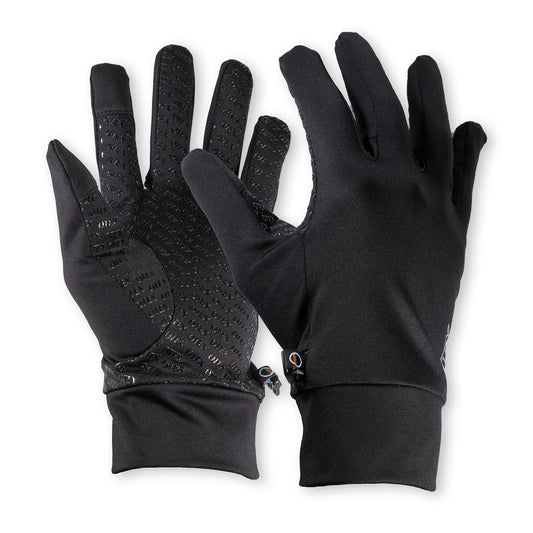
XT-Active PRO Inner Gloves
- $41.20
$54.95- $41.20
- Unit price
- per